Riskiest Destinations for Solo Travelers: How to Judge
What is the riskiest destination for solo travelers?
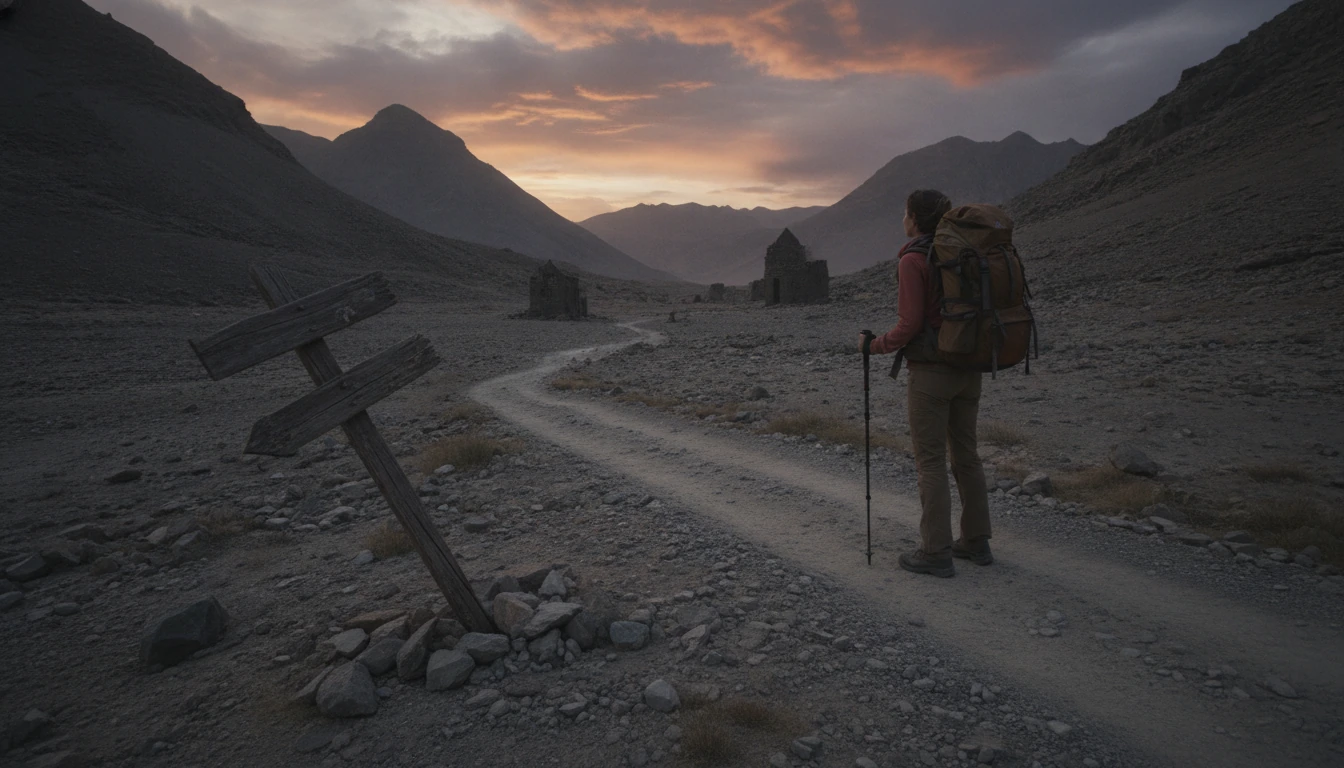
There isn’t one single “riskiest” destination for every solo traveler. Risk changes based on your profile (gender identity, age, language skills), trip style (nightlife vs. early mornings), and where you’ll be within a country (a capital city’s tourist district can be very different from an isolated border region). What consistently ranks as high-risk for solo travel are places with active conflict, elevated kidnapping or violent-crime trends, weak emergency response, or severe infrastructure challenges.
Rather than chasing a one-name answer, it’s smarter to judge risk by conditions: political instability, organized crime presence, scam density, local attitudes toward travelers, and the reliability of transport and medical care. A destination can feel “fine” during the day and become far riskier at night, or be safe in a resort zone but dangerous in nearby neighborhoods.
How to identify high-risk destinations before you book
Start with reputable government travel advisories and look for specific, recent warnings (not just general caution). Cross-check with independent safety reporting, local news, and recent traveler updates that mention where incidents are happening and what patterns to avoid. Pay attention to common solo-travel issues like drink spiking, street robbery, rideshare scams, and unsafe intercity transit.
Also consider “practical risk”: long distances without reliable cell coverage, limited public transportation, extreme weather, or poor access to pharmacies and hospitals. These factors can turn a minor problem into an emergency when traveling alone.
Smart ways solo travelers reduce risk anywhere
Stick to well-reviewed neighborhoods, arrive in daylight when possible, and pre-plan how you’ll get from the airport or station to your lodging. Keep a low profile, use secure payment methods, and share your itinerary with a trusted contact. If something feels off, prioritize leaving over “being polite.”
For destination-by-destination context and a deeper breakdown of what makes certain places higher risk for solo travelers, visit the main article.
FAQ
What are the safest habits for solo travelers at night?
Use well-lit routes, avoid excessive drinking, and rely on verified transportation (official taxis or reputable rideshare). Keep your phone charged, don’t flash valuables, and leave immediately if a situation starts to feel unstable.










Leave a comment