Mindfulness Exercises for Anxiety: 5 Quick Practices
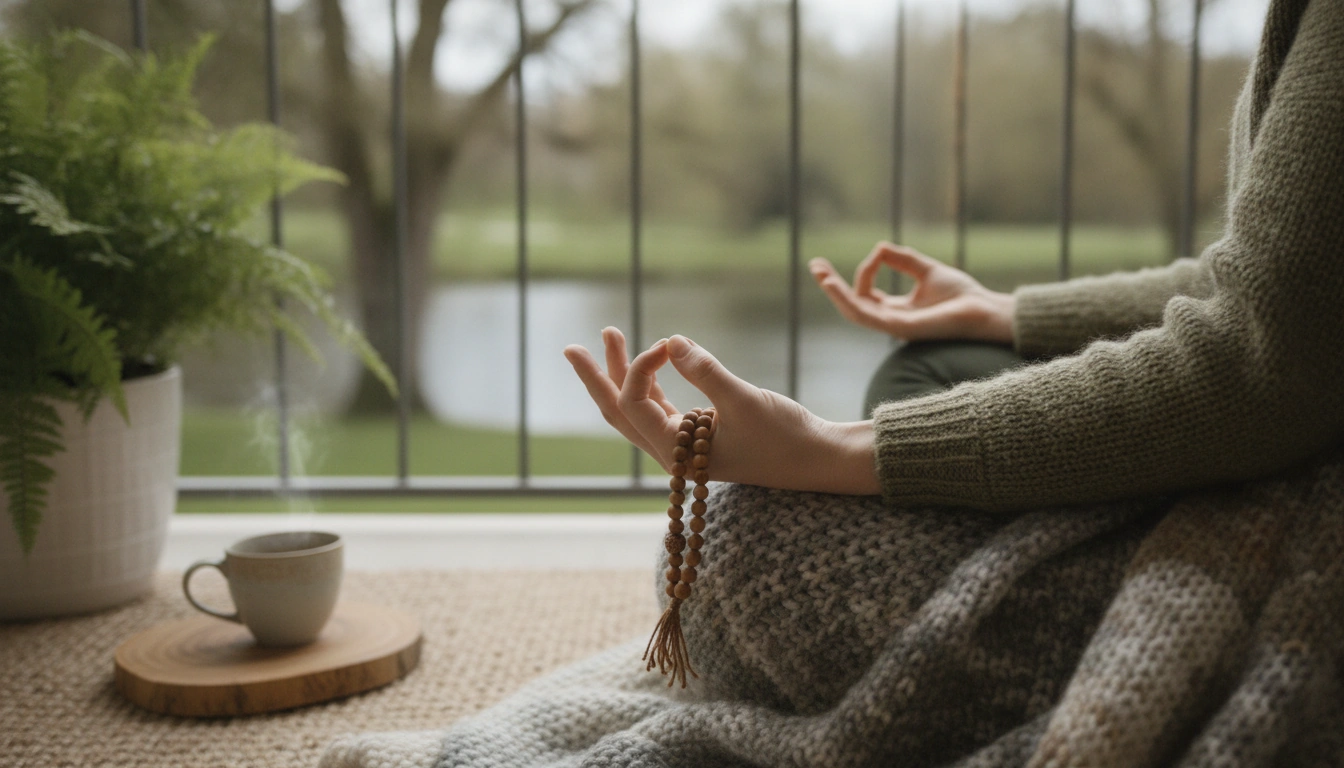
What are some mindfulness exercises that can help with anxiety?
Mindfulness exercises can ease anxiety by shifting attention from “what if” thoughts to what’s happening right now in the body and environment. The goal isn’t to force calm—it’s to practice noticing sensations, emotions, and thoughts without getting swept away by them. Below are a few simple options that work well at home, at work, or on the go.
1) Box breathing (4-4-4-4)
Inhale through your nose for 4 counts, hold for 4, exhale for 4, hold for 4. Repeat for 4 rounds. Keeping the counts steady gives your mind a clear, nonjudgmental target and can reduce the “speed” of anxious spirals.
2) 5-4-3-2-1 grounding
Name 5 things you can see, 4 you can feel, 3 you can hear, 2 you can smell, and 1 you can taste. Move slowly and describe each item briefly (color, texture, temperature). This anchors attention in the present when anxiety feels abstract and overwhelming.
3) Noting practice (“thinking,” “worrying,” “planning”)
Set a timer for 2–5 minutes. When a thought arises, label it softly—“thinking,” “worrying,” “remembering”—then return to your breath. Labeling creates a little distance so thoughts feel less like commands and more like passing events.
4) Body scan (2 minutes)
Start at the forehead and move down: jaw, neck, shoulders, chest, belly, hips, legs, feet. At each spot, notice tension and allow it to soften on the exhale. If relaxing isn’t possible, simply observing is still effective mindfulness.
5) Mindful walking
Walk for 3–10 minutes and pay attention to the sensation of your feet contacting the ground. When your mind wanders, return to “lift, move, place.” This is helpful if sitting still feels too intense.
For more guided ideas and variations, visit the main article on mindfulness exercises for anxiety.
FAQ
How long should I practice mindfulness to feel less anxious?
Many people notice small shifts after 3–5 minutes, especially with breathing or grounding. Consistency matters most—aim for a brief daily practice and add time as it feels natural.








Leave a comment